Garmin R10 Launch Monitor Review
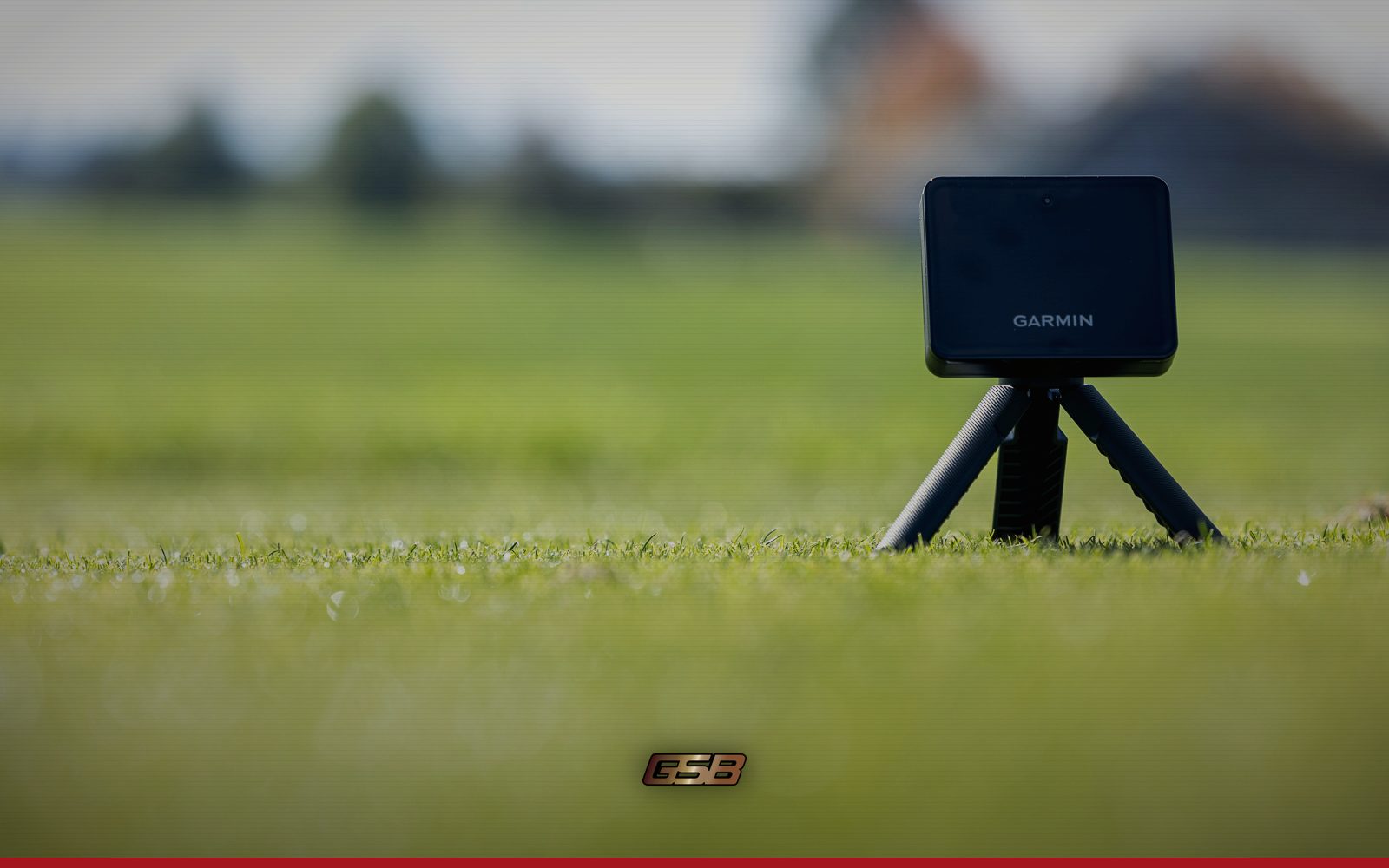
The Garmin Approach R10 is a portable radar launch monitor that now lists for $499.99. Here is what it measures, what software it runs and who it still suits.
- Topic
- Launch Monitors
- Published
- Updated
- Read
- 6 min
- Carry
- 1,278 words
In this guide 10 sections
- Is the Garmin R10 still the best launch monitor under $1,000?
- Garmin R10 review and buying guide
- What software works with the Garmin R10?
- What are the downsides of the Garmin R10?
- How much room does the Garmin R10 need indoors?
- Common Garmin R10 problems owners report
- Garmin R10 vs Rapsodo MLM2PRO
- Who should buy the Garmin R10?
- Garmin R10 features and specifications
- Questions people ask
The Approach R10 is still on sale in November 2026. It now lists for $499.99, down from $599.99 when I first wrote this, and it regularly drops to about $400. Garmin added the Approach R50 above it at $4,999.99. The R50 uses three cameras and has a built-in touchscreen, so it measures spin and club data instead of calculating them. It is a much better sensor, at ten times the price.
The R10 still makes sense for a first simulator, for range practice, or for anyone who wants to try sim golf for under $500 before spending more. If you want reliable spin numbers indoors, look at camera units instead. My current picks by budget are in the best golf simulator launch monitors.
Prices checked November 2026.
Is the Garmin R10 still the best launch monitor under $1,000?
For price to performance, the Garmin R10 still punches above its weight. If you want a budget launch monitor for a home simulator or for range practice, it is the one I would look at first.
Garmin R10 review and buying guide
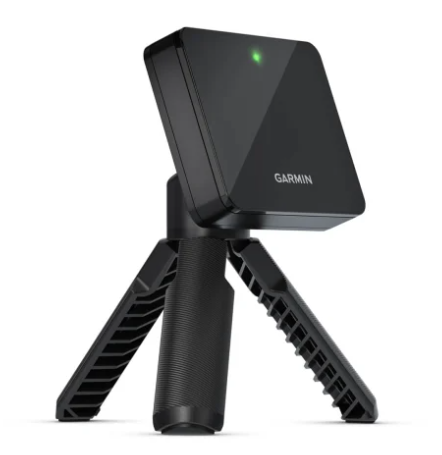
The Garmin Approach R10 is a compact, portable launch monitor that gives you data on every shot. It works with iOS and Android devices through the Garmin Golf app, which is required and free to download. A paid membership costs $9.99 per month or $99.99 per year and adds Home Tee Hero golf simulation, weekly tournaments and cloud storage for video clips.
The R10 lists for $499.99 and comes with a tripod stand, phone mount, carrying case and Micro USB cable. It uses radar to track the ball and reports ball speed, spin rate, launch angle and carry distance. Radar units measure some of these numbers directly and calculate the rest, which is why indoor spin is the R10's weak spot. Titleist Pro V1 and Pro V1x RCT (radar capture technology) balls help the radar read spin indoors. They cost more than standard Pro V1s, but they make a clear difference in indoor spin readings.
What software works with the Garmin R10?
Beyond the Garmin Golf app, the R10 works with E6 CONNECT, a full golf simulation program from TruGolf. E6 is a paid subscription, and TruGolf has changed its tiers and prices since 2023, so check the current options before you buy. Home Tee Hero, which comes with the Garmin Golf membership, is enough for many R10 owners. Others prefer the gameplay and graphics of E6 CONNECT or GSPro, which publishes its own R10 connection guide.
The R10 has also been used with the PinSeeker app, which runs closest-to-the-pin tournaments through simulator software. PinSeeker offers free tournaments with prizes and cash tournaments with entry fees. It has changed owners since 2023, so check its current list of supported launch monitors and software before buying the R10 for it.
What are the downsides of the Garmin R10?
The R10 is a good buy for golfers who want to improve and have fun at home. It is compact and portable, gives useful data, and works with real simulation software. Tournament apps can even let a good golfer win back some of the cost.
The trade-offs are the extra cost of simulator software subscriptions, the pricier RCT balls, and spin and club numbers that are calculated rather than measured. Like any radar unit, it also sits behind the ball, so a short room needs measuring before you commit.
Even with those downsides, the R10 is a well-designed, well-rounded launch monitor. At $499.99 it is still the easiest way to get started with golf simulation, and it will help your game.
How much room does the Garmin R10 need indoors?
More depth than most people expect. The R10 sits behind the ball, so the room has to hold the unit, the golfer and the ball flight. Owners on Garmin's own forum settle on the unit about 6 to 8 feet behind the ball, and the usual guidance is at least 8 feet of ball flight from the ball to the net or screen. Add about a foot behind the unit and you need roughly 15 to 17 feet of depth for a comfortable setup.
Ceiling height is the same as for any simulator: about 9 feet for most golfers, more for tall players swinging a driver. Width matters less for the R10 itself, but left-handed and right-handed players need the unit moved, since it sits directly behind the target line. You can check a specific room with the golf simulator room size calculator, which flags when a room is too short for a radar unit behind the ball.
Common Garmin R10 problems owners report
The R10 is well reviewed overall: it averages 4.2 out of 5 across more than 600 owner reviews at one large US retailer. The complaints that come up repeatedly are specific and mostly about indoor use:
- Indoor spin and driver numbers. Radar has a short flight to read indoors, so spin is often estimated. Owners report that high-speed shots, especially driver, are the least reliable. RCT balls help.
- Interference in garages. Some owners report interference warnings or missed shots in garage setups. Others traced odd readings to things moving in the room, such as a running furnace fan or a swinging net.
- Alignment. Golf Monthly's review called alignment temperamental. Level the top of the unit, not just the tripod, and aim it straight down the target line.
- Bluetooth drops. A minority of owners report the connection dropping to a phone or PC, more often when the device running the software is far from the unit.
- Firmware. Several forum threads tie accuracy changes to firmware versions. Update before you judge the numbers.
None of these is unusual for a radar unit under $1,000. They are the reason camera-based units cost more.
Garmin R10 vs Rapsodo MLM2PRO
The Rapsodo MLM2PRO is the R10's closest rival. It lists for $699.99, about $200 more than the R10, and it uses radar plus cameras, which gives it measured spin with its marked balls. Its premium subscription is about $200 a year after the first year, against $99.99 a year for Garmin Golf, so the gap widens over time.
| Garmin Approach R10 | Rapsodo MLM2PRO | |
|---|---|---|
| List price | $499.99 | $699.99 |
| How it measures | Radar, spin mostly calculated | Radar plus cameras, spin measured with marked balls |
| Subscription | Optional, $99.99 a year | About $200 a year after the first year |
| Placement | About 6 to 8 ft behind the ball | Behind the ball |
| GSPro | Yes, through GSPro Connect | Yes |
Pick the R10 for the lowest total cost and Garmin's app. Pick the MLM2PRO if indoor spin numbers matter more to you than the yearly fee.
Who should buy the Garmin R10?
- Buy it if you want to try sim golf for under $500, practise at the range as much as at home, or need something portable.
- Skip it if your room is under about 15 feet deep, if you want reliable indoor spin and club data, or if you plan a permanent simulator room. A ceiling-mounted or floor camera unit will suit that room better. See the best golf simulator launch monitors for the options by budget.
Garmin R10 features and specifications
| Feature/Specification | Description |
|---|---|
| Price | $499.99 USD list (launched at $599.99) |
| Compatibility | iOS and Android devices; Titleist Pro V1 and Pro V1x RCT balls recommended indoors |
| Required software | Garmin Golf app (free); E6 CONNECT and GSPro optional |
| In the box | R10, tripod stand, phone mount, carrying case, Micro USB cable |
| Garmin Golf membership | $9.99/month or $99.99/year (optional) |
| Membership benefits | Home Tee Hero golf simulation, weekly tournaments, video clips stored in the cloud |
| Step-up model | Garmin Approach R50, $4,999.99, camera-based with built-in touchscreen |